The dark side of bamboo from China?

The dark side of bamboo from China: why we choose to be more sustainable every day
At The Good Roll, we know that perfection doesn't exist, but that doesn't mean we stop trying. We believe in taking a step toward a more sustainable world every day, without claiming to be holier-than-thou. For us, sustainability is about being honest, learning, and improving — together with our customers, partners, and the planet.

Sustainability begins with awareness
Most bamboo products, including toilet paper, come from China. This entails significant risks for people and the environment. When importing bamboo from China, profits often go to state-owned companies, not to the local communities that need it most. Many bamboo forests in China are managed as monocultures, which is harmful to biodiversity. In addition, bamboo from China travels thousands of kilometers, which leads to:
-
High CO2 emissions from ships and trucks. According to the European Environment Agency (EEA), shipping accounts for 3% of all global CO2 emissions. Furthermore, transporting containers of bamboo toilet paper is inefficient because they are primarily transporting air. A container full of toilet rolls has relatively little weight but takes up a lot of space, which significantly increases the ecological footprint per roll.
-
Monocultures that harm biodiversity. In China, natural forests are often replaced by vast bamboo monoculture plantations. This leads to biodiversity loss as native plants and animals disappear. According to reports from Ablison and Green Ecolog, monocultures deplete the soil, increase vulnerability to pests and diseases, and make ecosystems less resilient. This means that bamboo plantations in China are not only bad for local biodiversity but also for the long-term sustainability of the landscape.
-
Questionable certifications. Although the FSC label is known worldwide as a guarantee for sustainable forest management, there are major concerns in China regarding compliance. Greenpeace has demonstrated that FSC-certified bamboo plantations in China often do not meet the promises of sustainable management, leading to deforestation and loss of biodiversity (Greenpeace). Reports from Greenpeace and the Forest Stewardship Council (FSC) show that bamboo products in China are often FSC-certified without the sustainability of the forests being guaranteed. Investigations into certificate holders in China show that the origin of bamboo often cannot be verified, despite claims of sustainability (FSC Integrity Risks).
- The provinces of Sichuan and Guizhou, where much of the bamboo for toilet paper production is grown, are at a considerable distance from the nearest seaports. The port of Guangzhou, a major export hub for these regions, is located approximately 1,000 to 1,200 kilometers away by road. This means that bamboo toilet paper is first transported by truck over this distance to the port. Subsequently, they travel a distance of approximately 7,500 to 8,000 kilometers by ship to Europe. This long transport route contributes to higher CO2 emissions, which raises questions about the sustainability of bamboo toilet paper transported over such great distances.
Claiming that the CO2 emissions from these types of transport are compensated is often just a smoke screen. The real problem, the unnecessary impact caused by inefficient transport methods and monocultures, remains. That has to change.
Our approach: fair and transparent
For us, sustainability is not about big words, but about small, meaningful steps; that is why we want to get rid of 100% of raw materials from China for our paper. This is how we work:
-
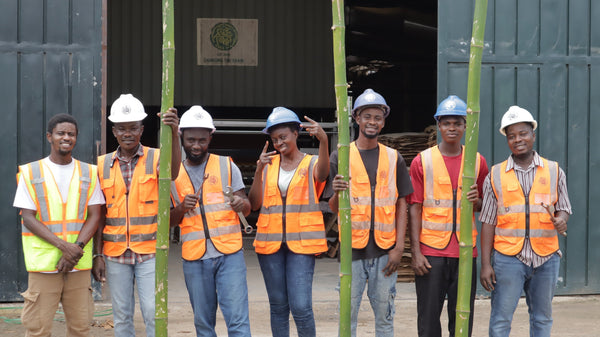
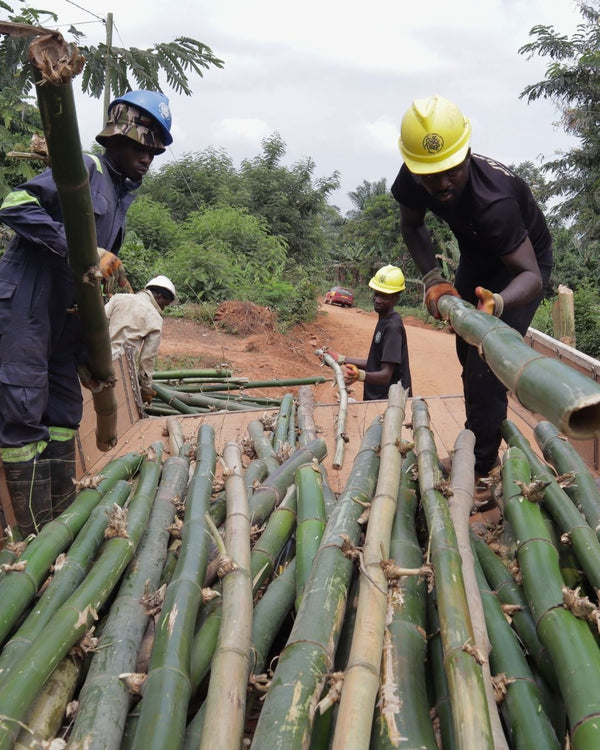
Direct impact on farmers: Instead of letting profits go to large state-owned companies, we will work directly with bamboo producers in Ghana starting in Q2 2025. This means fair prices for farmers and a direct improvement in their standard of living.
-
CO2-neutral production: Our factories, including our European partner, run entirely on sustainable energy. Every roll of toilet paper is produced with respect for people and nature.
-
Fairtrade: We are currently in the process of becoming the first certified Fairtrade toilet paper in the world.

Learning and growing together
We aren't perfect, and we're happy to admit that. But what drives us is the desire to learn and improve. Whether it's better materials, smarter processes, or reducing our ecological footprint — we work on it every day. And we need you for that.
By choosing The Good Roll, you not only help us achieve our goals but also contribute to a cleaner, fairer world yourself. One roll at a time.
Making an impact together
We believe that real change doesn't happen all at once, but by consistently getting a little better together. It’s not just about the product, but about the bigger picture: treating people fairly, protecting nature, and incorporating sustainability into every aspect.
Want to join in? check our website and discover how we make a difference together. Not perfect, but a little better every day.

Keep rolling with us
-
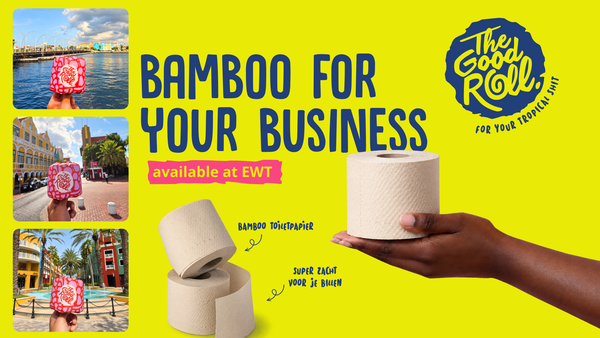
The Good Roll op de ABC-eilanden
-
The Good Roll ligt in de Jumbo
-
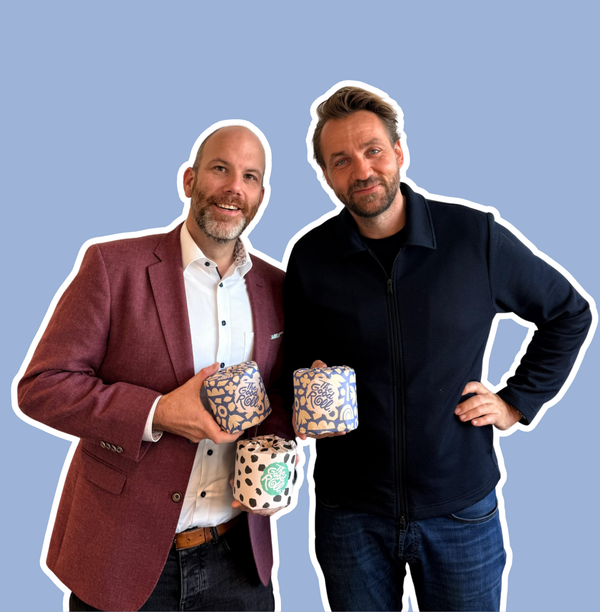
The Good Roll versterkt financieel team
-
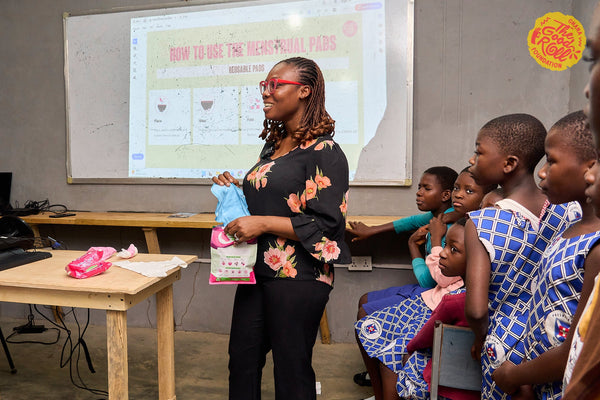
Period Power in Ghana: The Good Roll Foundation Makes an Impact at 10 Schools
Foundation · -
Turning the dials at our factory in Afabeng. Constant tweaking is necessary every day.
Duurzaamheid · -
Saying goodbye is always difficult.
Duurzaamheid ·
